Downcity's Slow Second Act: Westminster Street and the Art of the Small Storefront
Providence's downtown was a mall-and-office story for fifty years. Its revival is being written instead in small shops, lofts and restaurants on its oldest retail street.
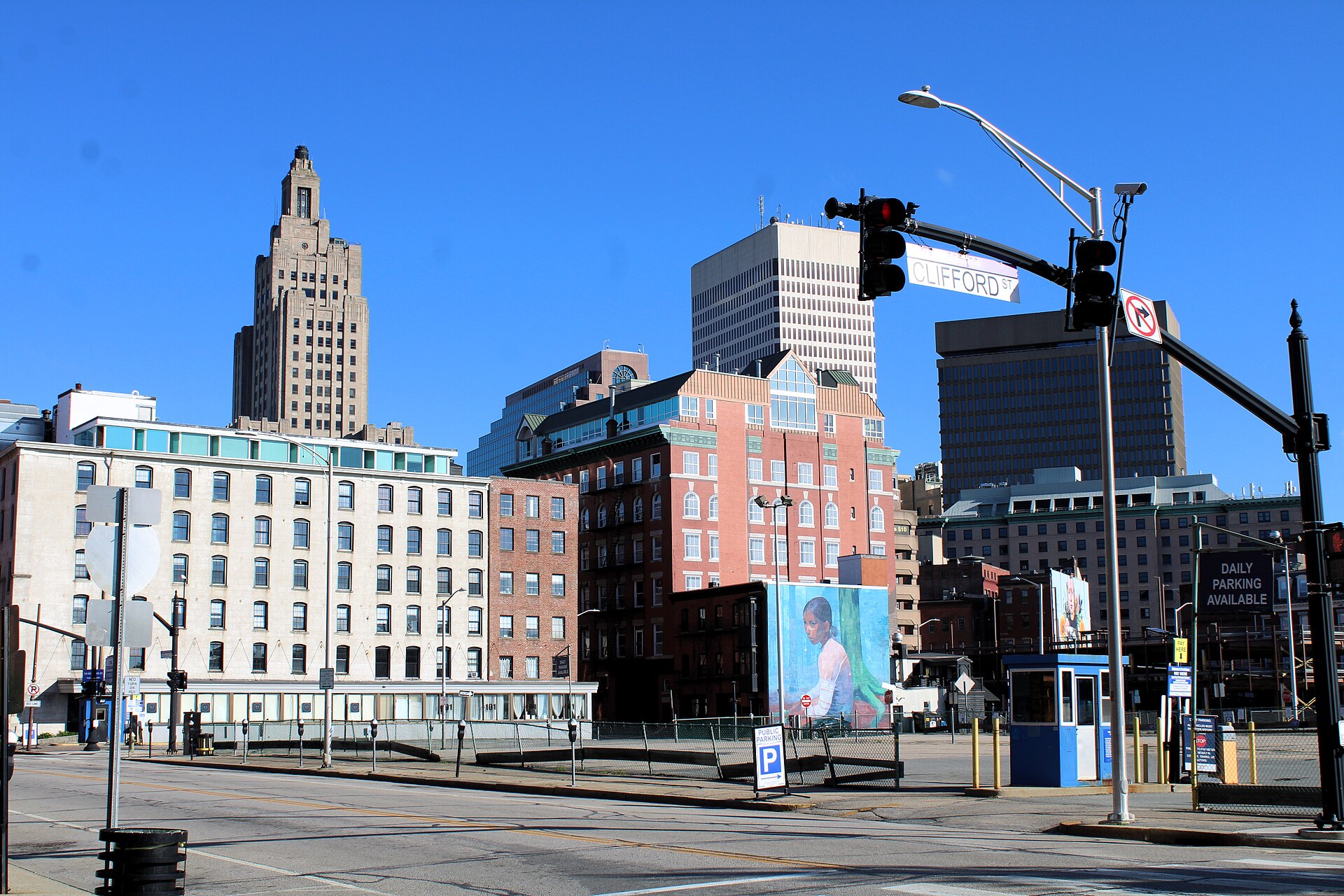
Westminster Street was Providence's shopping address when the city's department stores — Shepard's, Gladding's, the Outlet — drew the whole state downtown, and it kept the architecture to prove it: a canyon of handsome commercial buildings from the city's mercantile prime. The late twentieth century emptied it. The twenty-first has been refilling it, a storefront at a time.
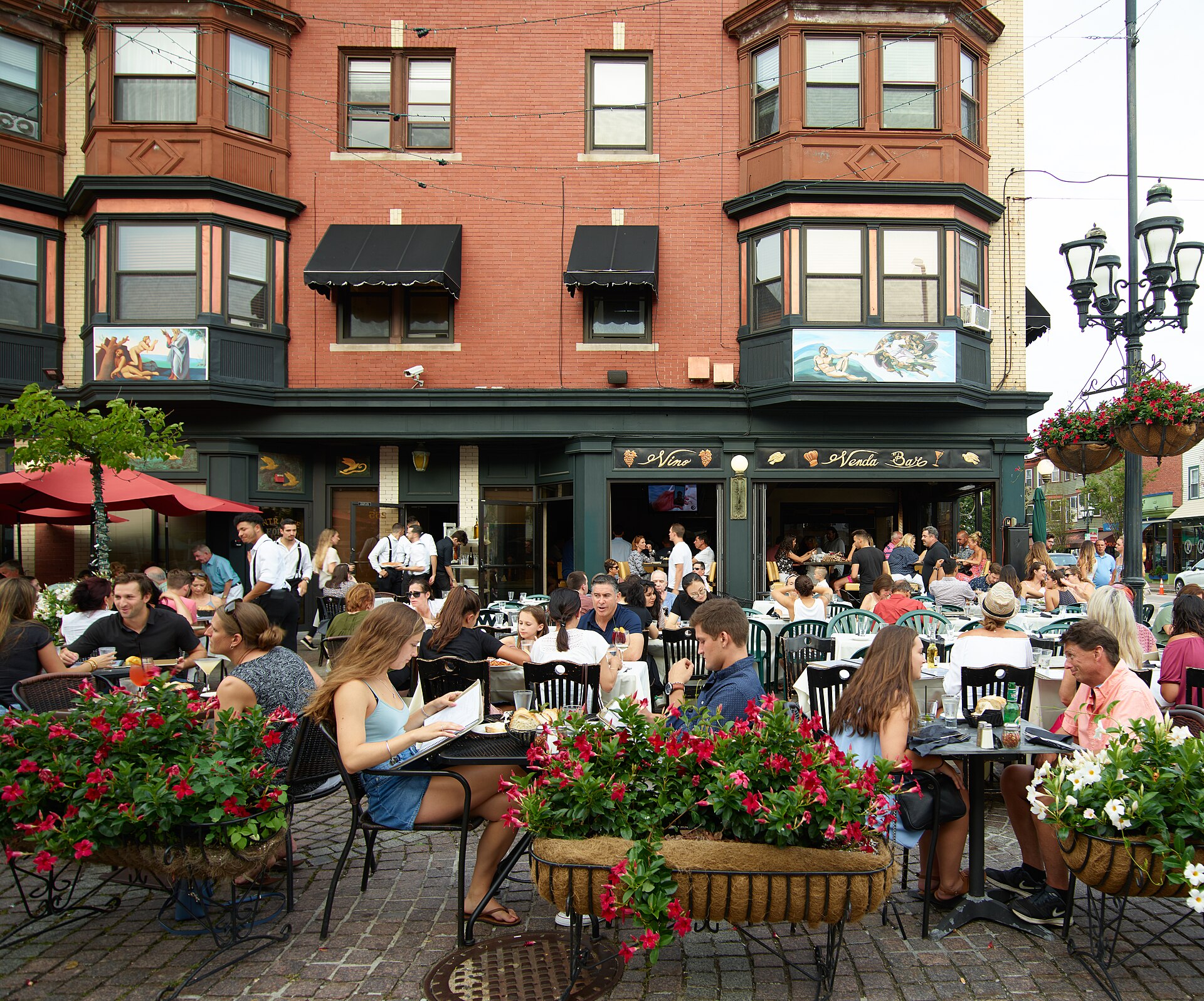
The revival's recipe is now a Providence genre: the Arcade (1828, America's oldest indoor shopping mall, converted to micro-lofts with shops at its base), AS220's artist empire on Empire Street, small restaurants and bars that turned the financial district's after-dark emptiness into a food scene, and the steady conversion of upper floors to housing that put residents — and their grocery lists and dog walks — back on streets that once closed at five.
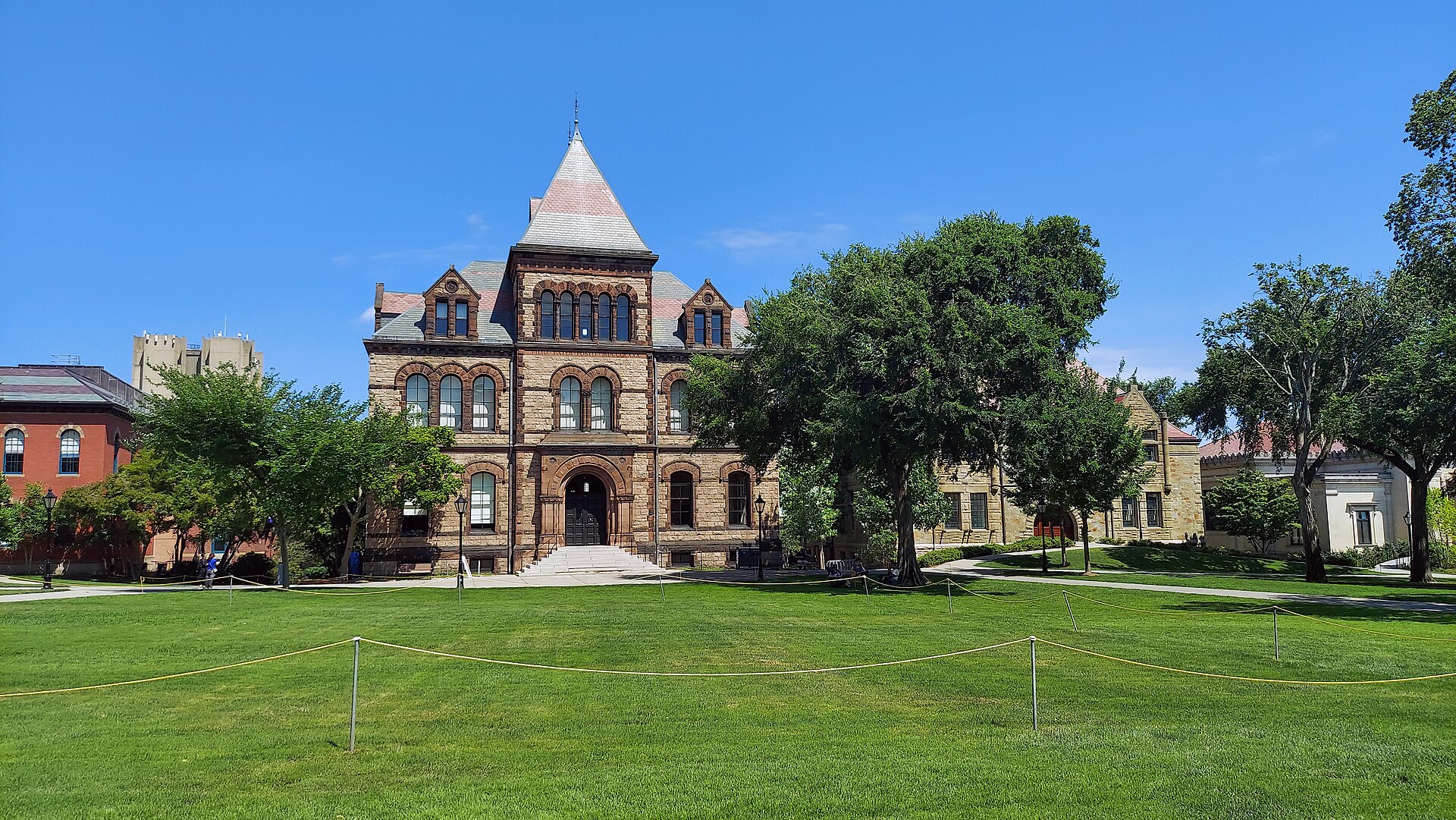
Downcity's anchors give the small stuff its gravity: the Providence Performing Arts Center's touring Broadway seasons on Weybosset, the Dunkin'/Amica arena and convention center crowds, Brown and RISD and Johnson & Wales students circulating through, and the financial district's remaining office towers. The mix is fragile in the way of all downtowns — dependent on safety's reality and perception, on events calendars, on a thousand leases — and it is, by the evidence of a November evening's restaurant wait, functioning.
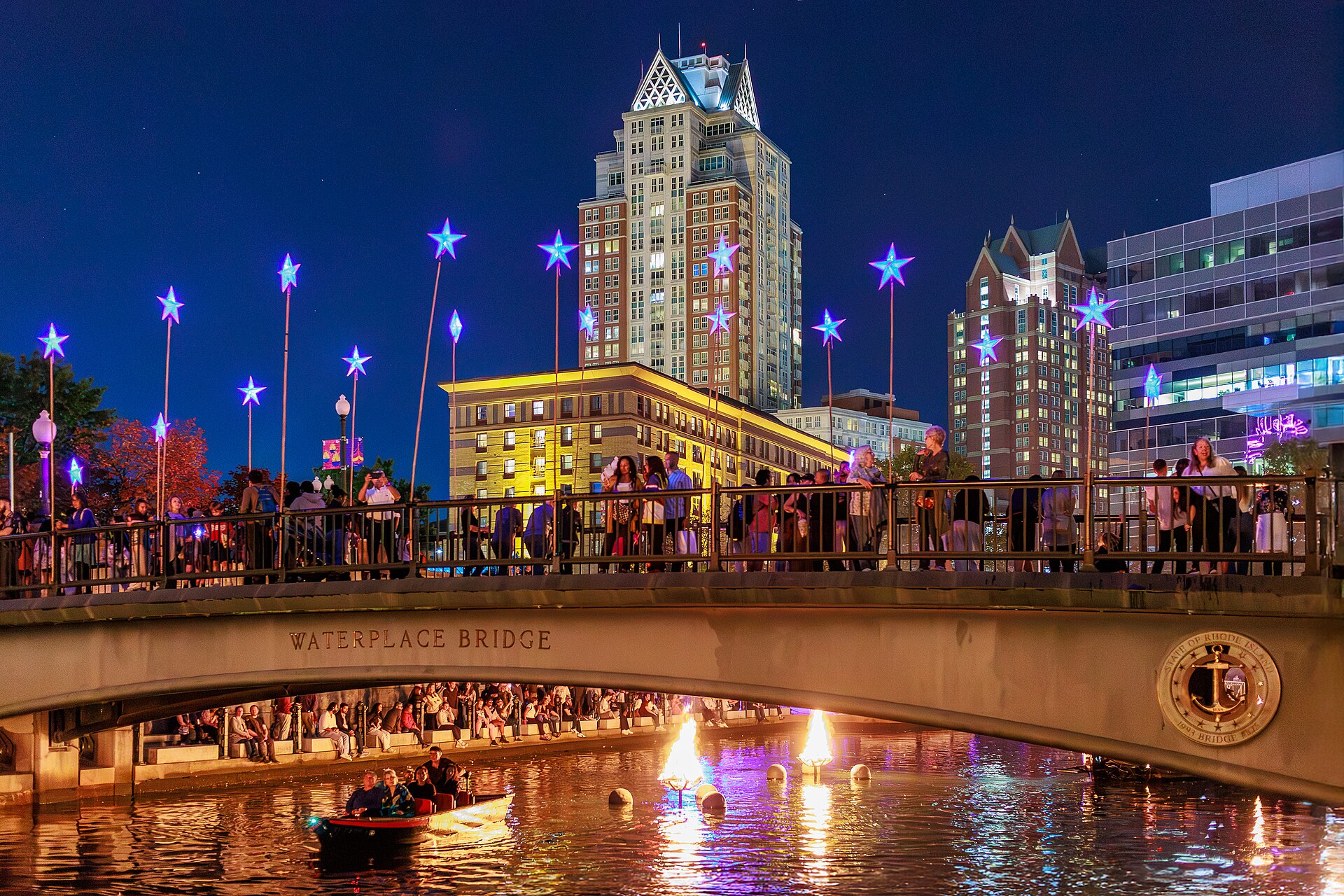
Walk Westminster at dusk this month: windows lit, the Arcade's columns glowing, students and theatergoers sharing the pavement. Providence's downtown is not restored to 1928 and doesn't want to be. It is becoming something the city has never quite had: a downtown that lives after six.