
Rhode Island's Whole Government Is on This Ballot
Governor and the general officers, both chambers of the General Assembly, and bond questions that borrow against the state's future — the Ocean State's four-year reset happens Tuesday.
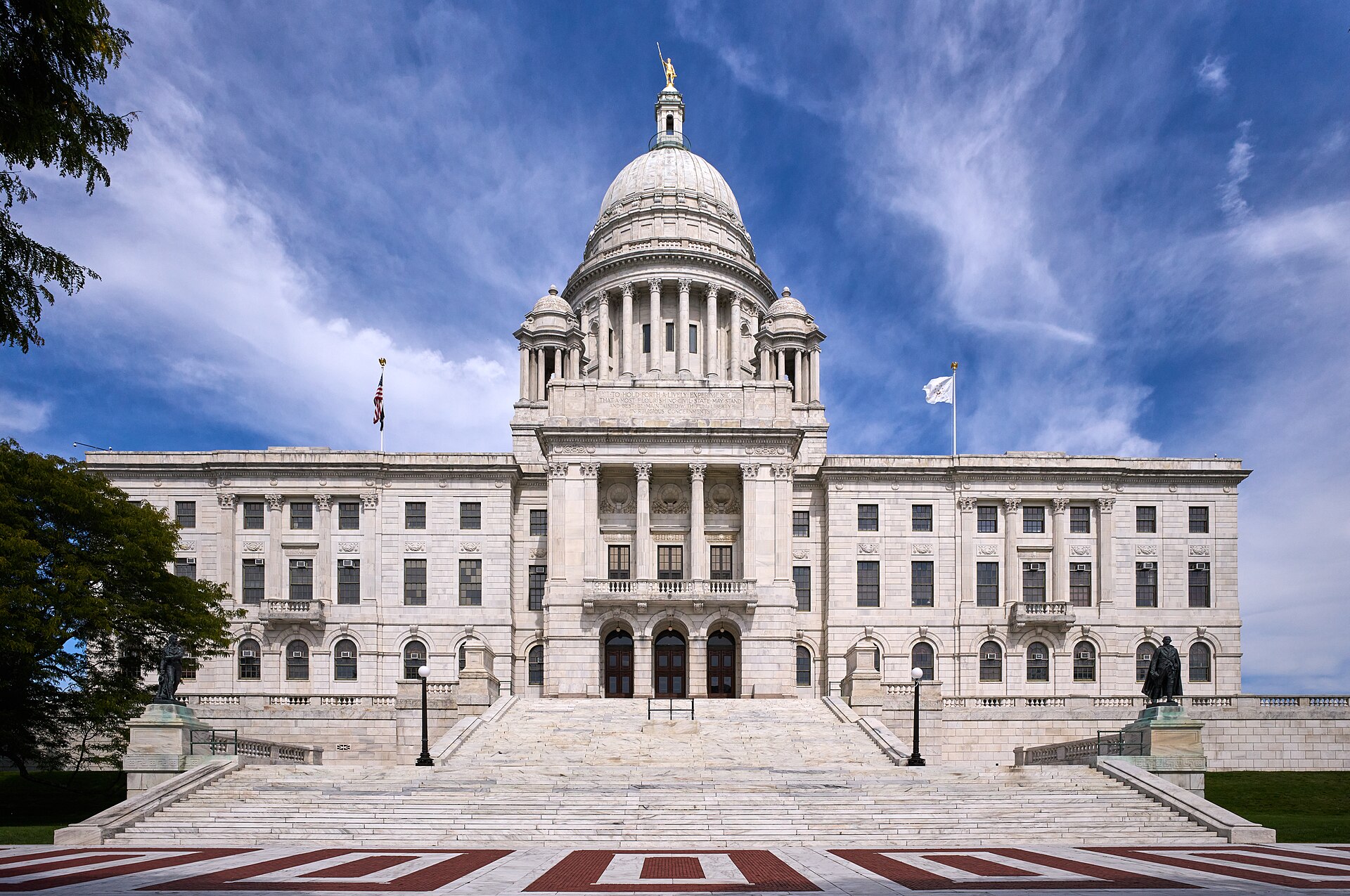
Rhode Island elects its state government in the midterm years, which makes the Nov. 3, 2026 general election the Ocean State's main event: the governor, lieutenant governor, secretary of state, attorney general, and general treasurer are all on the ballot, along with every seat in the state Senate and House of Representatives — a General Assembly of 113 members chosen, in districts small enough to fit in a neighborhood, by the state's roughly one million residents.
Rhode Island's scale is its political character. State representatives answer to fewer than 15,000 constituents each; senators to fewer than 28,000. Retail politics here is not a style but a census fact — the candidates on your ballot have likely stood in your grocery store — and it cuts both ways: accountability is personal, and so is patronage's temptation, a duality a century of State House history illustrates in both directions.
Also on the ballot: the state questions. Rhode Island's referenda habitually include general-obligation bond questions — borrowing for roads and bridges, schools, environmental and housing programs — each printed with its amount and purpose and each decided by the voters directly. In a state carrying the Washington Bridge rebuild on its books, the bond page deserves the same care as the candidate page; the Department of State's official voter guide prints every question's full text.
Federal offices round it out: Rhode Island's two U.S. House seats and its full congressional delegation's place in a closely divided Washington. Polls are open 7 a.m. to 8 p.m. statewide (New Shoreham opens at 9), photo ID is required at the check-in table, and mail ballots must be received — not mailed — by 8 p.m. The smallest state runs one of America's most complete ballots. Vote all of it.