
November on Narragansett Bay: The Water Gives Up Its Heat Slowly
The bay is Rhode Island's thermostat — warming the coast's autumn, fueling its nor'easters, and deciding when the shellfish fleet works. The season when the Ocean State's namesake takes over the forecast.
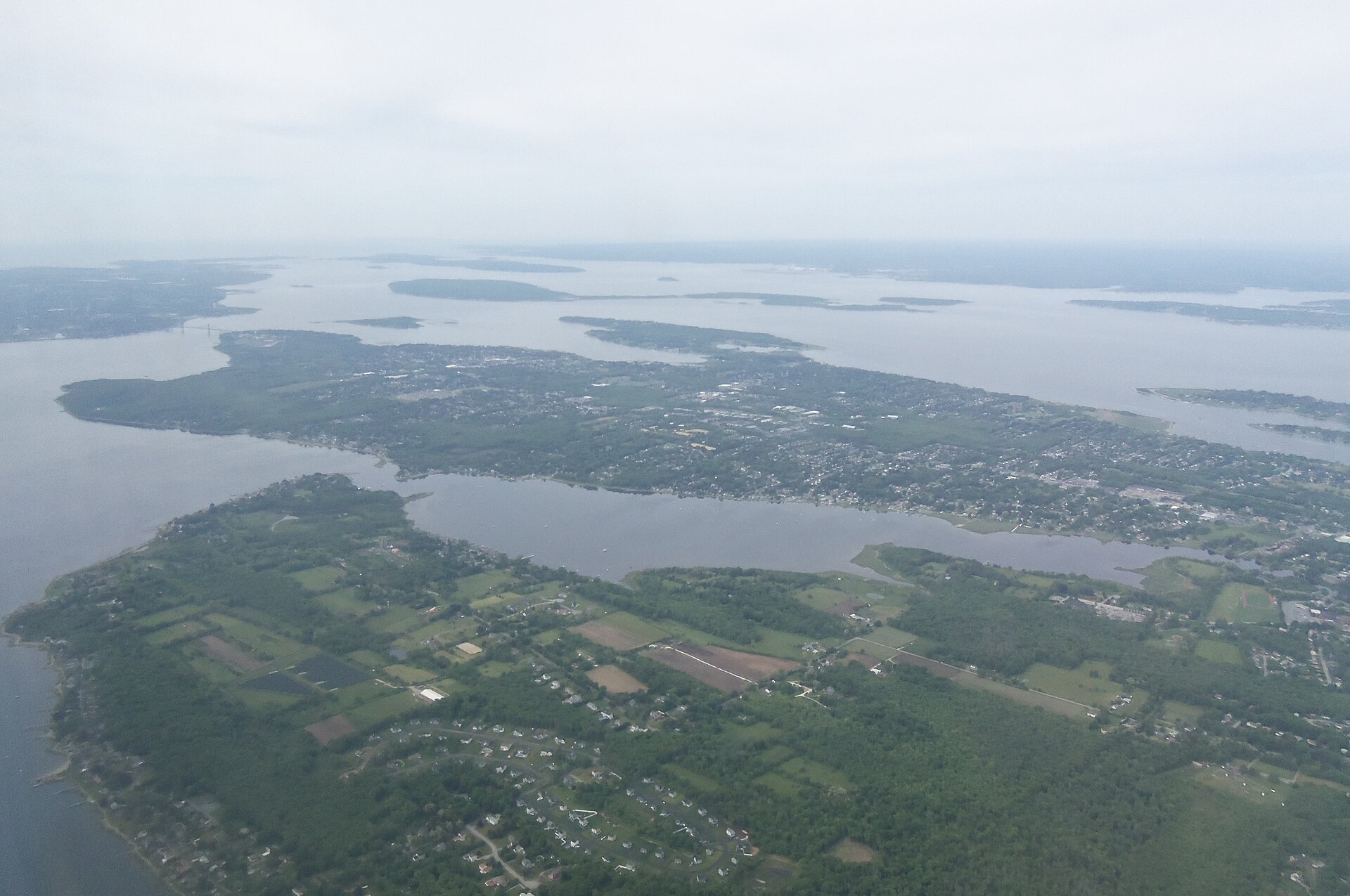
Rhode Island is the Ocean State because the ocean is in all of it: Narragansett Bay reaches thirty miles into the state's middle, putting most Rhode Islanders within a short drive of salt water and every one of them inside its weather. November is when the bay's long thermal memory runs the forecast.
The mechanism is the season's daily drama: the bay's water, warmed all summer, now sits far warmer than the air masses arriving from Canada — moderating the immediate coast (the first frost in Warwick and Providence's riverside neighborhoods lags the inland towns by weeks) while loading the air with the moisture that coastal storms spin into nor'easter snow a few miles inland. The National Weather Service's Boston/Norton office draws the rain-snow line across Rhode Island so often that the state's small map becomes a meteorological instrument panel: rain in Narragansett, six inches in Foster, same storm.
On the working bay, November is prime time: the oyster farmers of the state's aquaculture leases — Rhode Island's farmed oysters are a genuine growth industry, from Point Judith Pond to the bay's coves — work the year's best market season; the quahoggers rake the conditional areas on the state's pollution-closure schedule; and the last of the recreational striped bass season slides south past the beaches as the water cools.
The month's discipline for bay-staters: respect the first nor'easter's surge on the south-facing shores; know that a clear, calm November night inland is a frost while the shore sleeps mild; and watch the bay do its oldest trick — steaming at dawn when Arctic air crosses its warm water, the Ocean State exhaling. Winter comes to Rhode Island by water. In November, the water is still winning.