
PROVIDENCE QUESTIONS. REAL ANSWERS: The Bridge That Broke — What Happened to the Washington Bridge, and Who Pays
An emergency closure, a superstructure found failing, a procurement that collapsed once already. We read the Washington Bridge file from the 2023 closure to the rebuild's current chapter.
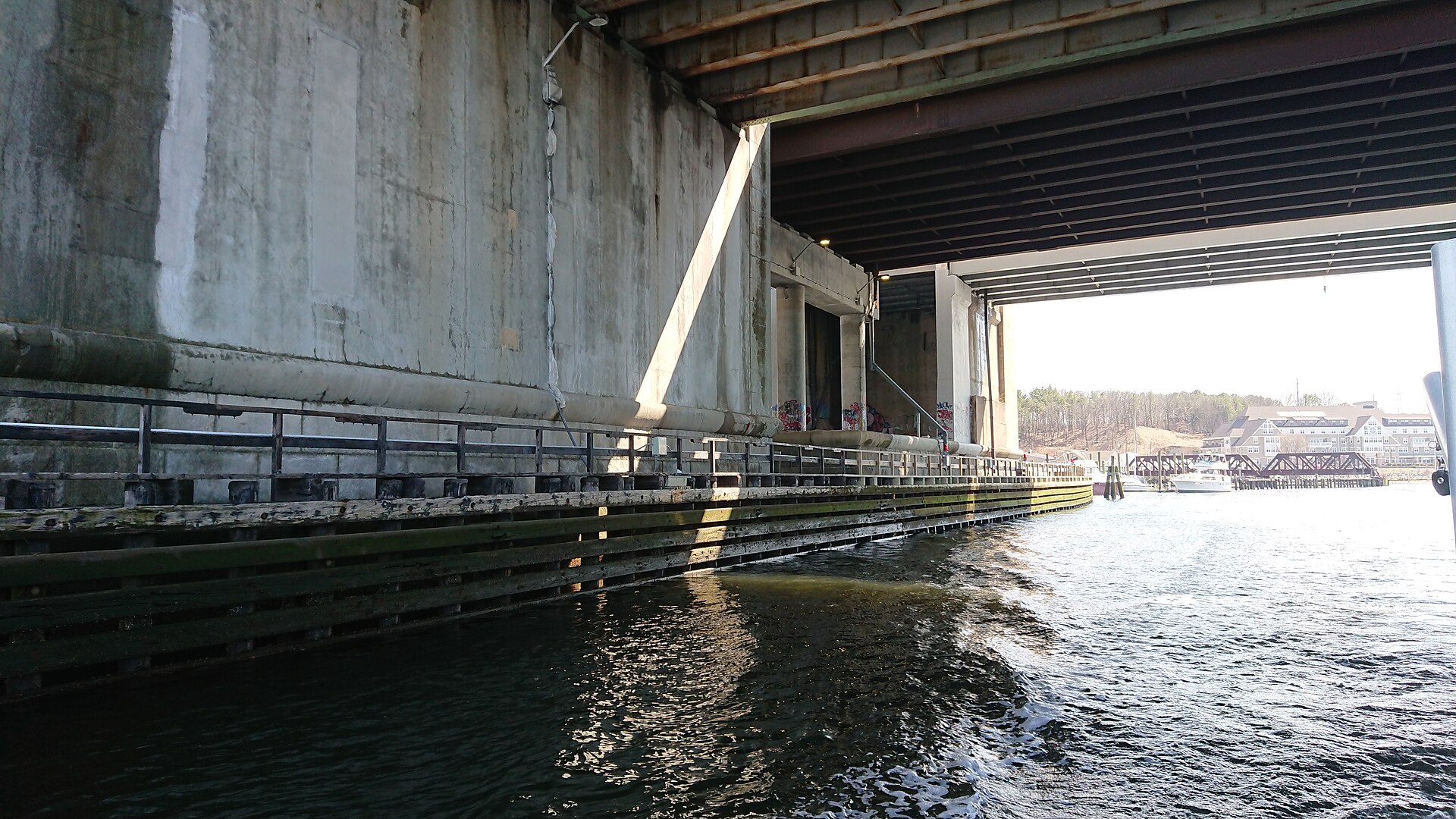
Begin with the day: Dec. 11, 2023, when the Rhode Island Department of Transportation closed the westbound Washington Bridge — half of I-195's crossing of the Seekonk River — on a few hours' notice. Inspectors had found that several of the steel tie rods anchoring the bridge's cantilevered spans had failed, some apparently long before they were discovered. The governor called it a day of reckoning; a forensic investigation and a state lawsuit against the firms that had designed, built and inspected work on the bridge followed, and the question underneath everything since is not just how to rebuild, but how a bridge carrying 90,000 vehicles a day deteriorated past the point of safety on a modern inspection regime's watch.
The forensic record, in outline: the westbound bridge, opened in 1968, used an unusual pin-and-hanger and cantilever design whose critical components were difficult to inspect; the state's own reviews since the closure have conceded that the deterioration outran the inspection program's ability to see it. The eastbound span — newer, separate — carries both directions in contraflow while its twin's fate is decided, under enhanced inspection.
The rebuild has been its own saga: the state's first attempt to procure a design-build replacement drew no acceptable bids in 2024 and was scrapped and reworked, pushing the timeline and the budget upward — successive public estimates have carried the project from an initial figure in the low hundreds of millions toward significantly higher ground, with completion promised later this decade. In the interim, the state has pursued federal emergency and grant funding and litigated to shift costs to the companies it holds responsible.
Our standing assessment, from the reports and the hearings: the failure was systemic — a hard-to-inspect design, an inspection regime that missed what mattered, and a small state whose transportation governance is now being rebuilt alongside its bridge. The accountability questions Rhode Islanders should keep asking are docketed in public: the lawsuit's progress, the re-procurement's milestones, the enhanced inspection results on the eastbound span they drive daily. The bridge broke in private, over years. Its replacement is happening in public — because this time, the whole state is watching the inspectors too.